The work between your data and your decision.
We curate the data, run the analysis, and build the systems that do it again.
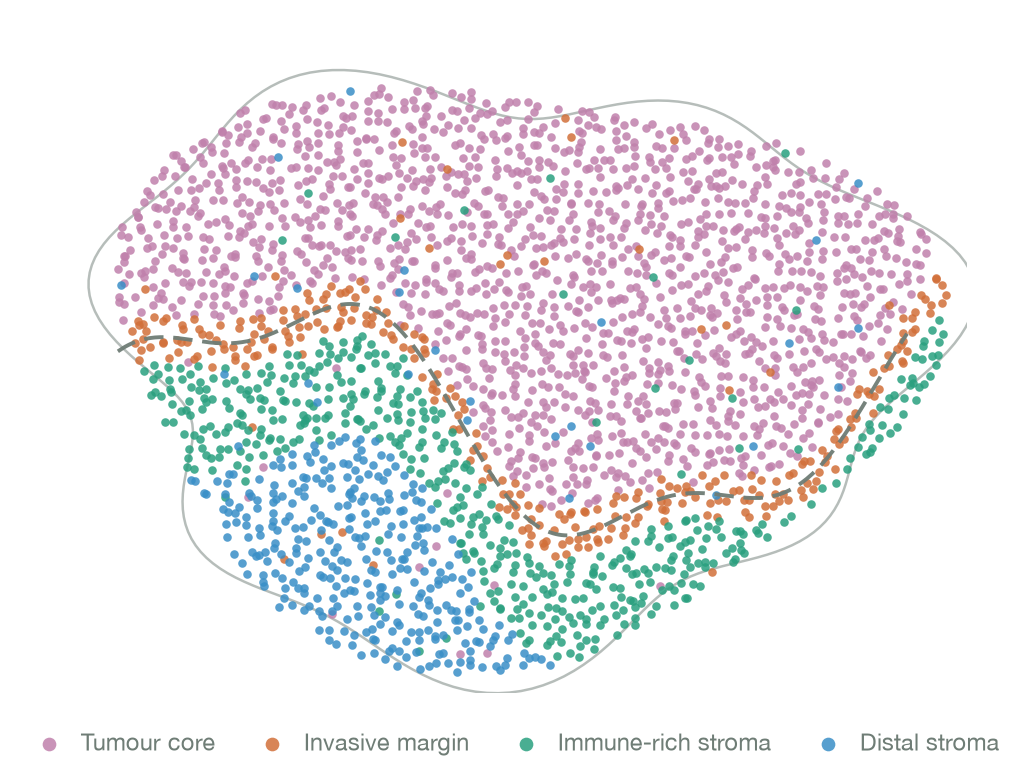
2,200 simulated cells, embedded from a 240-gene expression matrix. Pick a population, or colour the field by a marker gene.
Four services, in the order a dataset moves through them
Data arrives. It gets analysed. The analysis becomes something reusable. The reusable thing gets pointed at a research question. Most engagements start in the middle and grow outward.
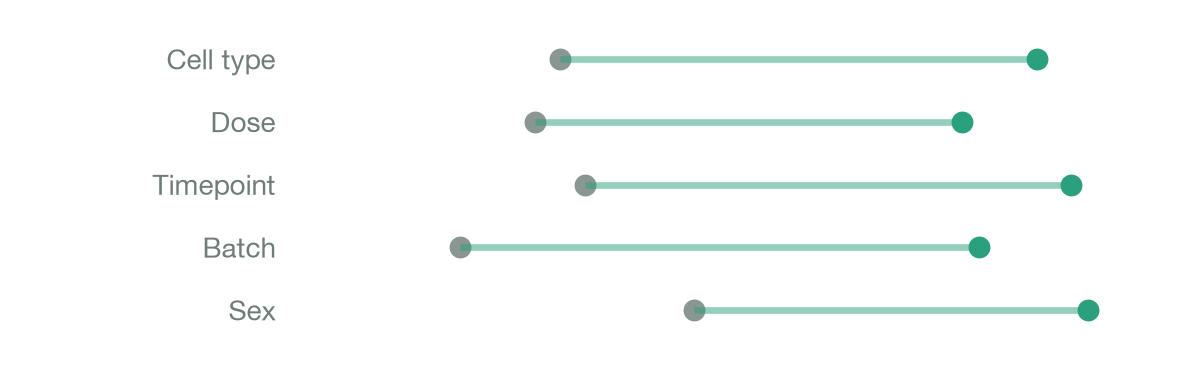
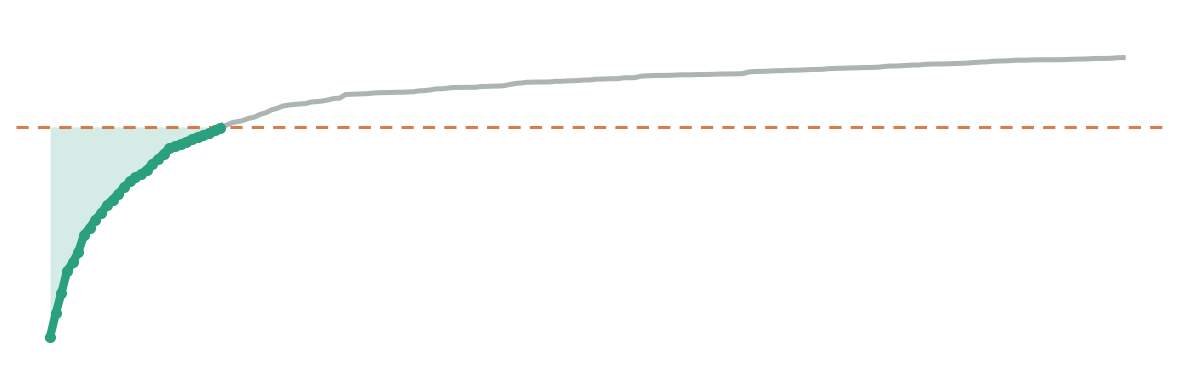
What we have built
Two of these are other people's platforms and one is grant-funded research, so none of them are named. The computational work is described exactly.
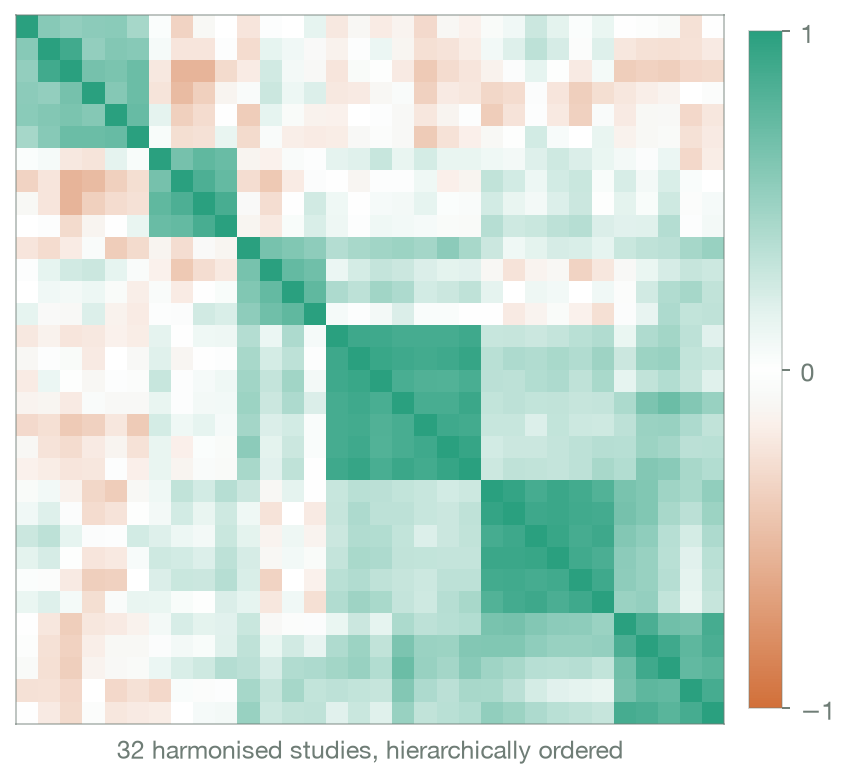
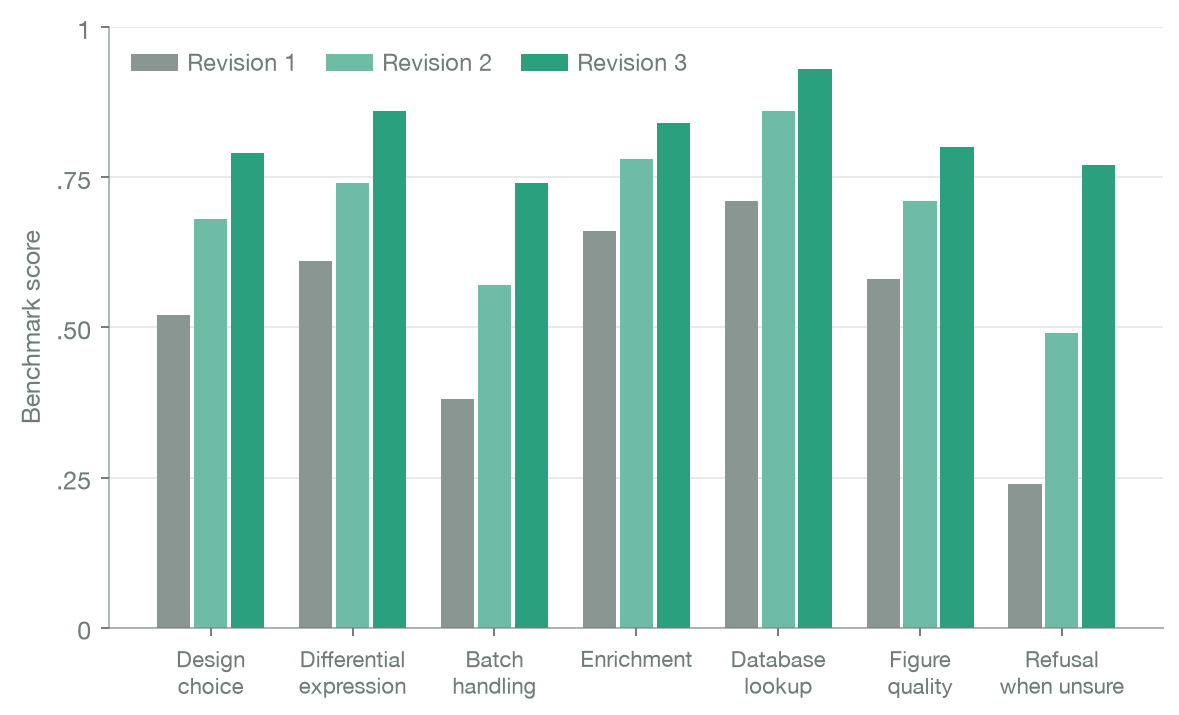
Every result arrives with the reasoning attached
Anyone can produce a plot. What makes it usable a year later is knowing which decisions produced it, which of those were close calls, and what would have to be true for the conclusion to fail.
A plan before a pipeline
The design, the covariates, the tests, and the thresholds are written down and agreed before anything runs. Analyses that decide their own hypotheses afterwards are not analyses.
Reproducible from raw
Versioned code and a pinned environment that regenerate every figure in the report from the original inputs, on your machine, without us.
Limits, stated
Each conclusion arrives with what it rests on, what would overturn it, and which questions the data was never going to answer.
What we take on
- Curation and harmonisation of omics data and its metadata
- Bulk, single-cell, spatial, and proteomic analysis end to end
- Agentic and non-agentic scientific software, built to be handed over
- In-silico research programmes that produce testable hypotheses
What we do not
- Wet lab work of any kind, including validation experiments
- Sequencing, sample handling, or primary data generation
- Regulatory submissions and GxP-validated pipelines
- Clinical trial operations or patient-facing systems
We work with the groups who do, and will say so early rather than late.
Tell us what you are trying to find out
Send the shape of the data and the decision that depends on it. You get an honest read on whether the question is answerable before anyone talks about scope.